Trick or Treat SVG Cut File Review
As a designer who spends half my day staring at stitch paths and the other half worrying about client deadlines, I don’t just buy files; I evaluate them for viability. When Trick or Treat SVG Cut File landed in my inbox, I didn’t immediately think about Halloween decorations. I thought about inventory. Specifically, I thought about whether this design could hold its own on a $40 boutique tote bag or if it would look like a rushed hobbyist project. After running through a mental simulation of how this vector translates to thread, here is my practical breakdown for embroidery designers, small business owners, and crafters.
First Impressions: Mood and Visual Personality
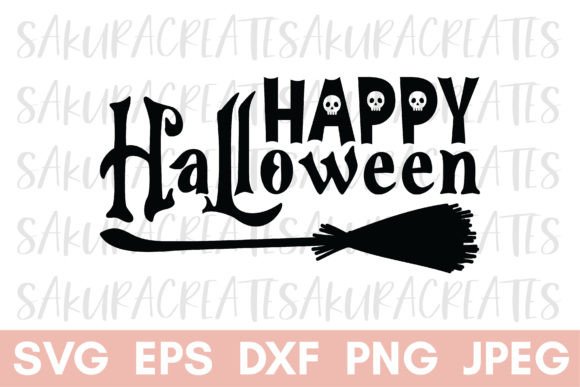
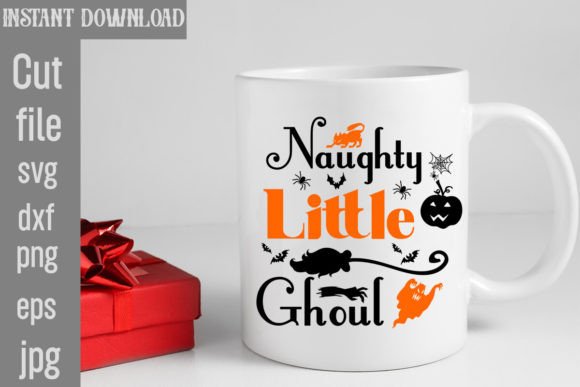
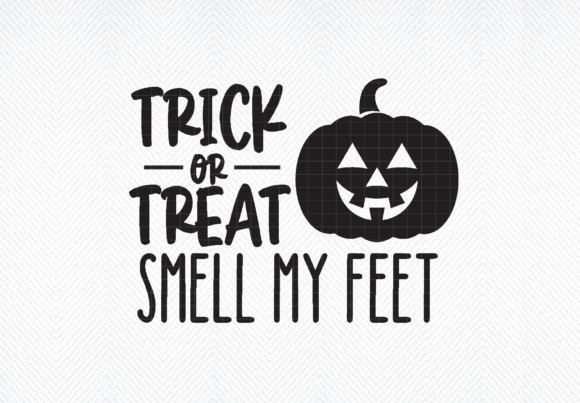
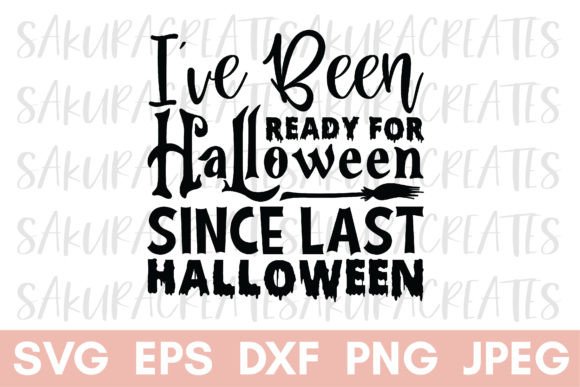
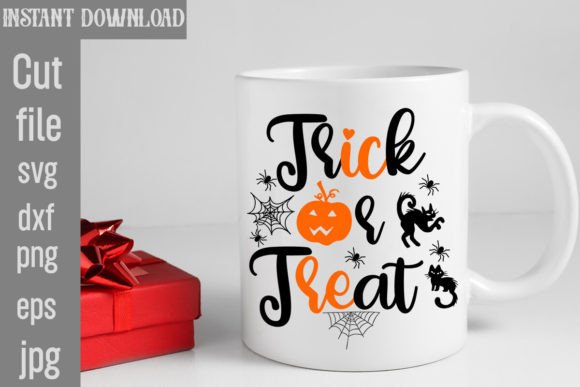
The name Trick or Treat SVG Cut File suggests a seasonal theme, but the execution is where the value lies. From a design perspective, the initial mood is playful yet structured. It avoids the overly chaotic aesthetic that plagues many holiday designs, which often results in muddy stitching when scaled down. Instead, it offers a clear visual hierarchy. The shapes are distinct enough to be recognizable even when reduced to the size of a chest logo on a sweatshirt, yet detailed enough to justify a larger placement on a tote bag or apron.
For the creative entrepreneur, this distinction matters. A design that is too simple feels cheap; one that is too complex risks frustration during digitizing or poor results on difficult fabrics. This file strikes a balance. It feels like a "handmade product" that has been polished for commercial use. The layout suggests versatility—it isn’t locked into a single orientation, allowing you to adapt it for various custom apparel items without feeling forced.
Real-World Application: Where This Design Shines
I evaluated this design with specific end-products in mind. Here is where Trick or Treat SVG Cut File naturally fits into a successful product line:
- Tote Bag Design: This is perhaps the strongest use case. The clean lines of the SVG translate beautifully to canvas. Whether used as an applique design or embroidered directly, the contrast against natural or black canvas creates a professional finish. It elevates a basic item into a personalized gift worthy of a boutique shelf.
- Sweatshirt Embroidery: For fall and winter collections, this design works well as a focal point on the front or back of crewnecks. The thematic elements align perfectly with cozy, seasonal aesthetics. However, ensure your stitch density is appropriate so the fabric doesn’t pucker under heavy fill stitches.
- Baby Embroidery: Think onesies, bibs, and burp cloths. The theme is family-friendly and nostalgic. Parents love buying holiday embroidery items for their infants, and this design’s approachable style fits that market segment perfectly. Just be mindful of scale; on baby items, smaller placements often read as more delicate and premium.
- Kitchen and Home Decor: Tea towels and pillow covers are low-risk, high-margin items. The graphic nature of the design ensures it remains legible on textured fabrics like linen or cotton blends. It adds a touch of whimsy to nursery decor or kitchen accents without overwhelming the space.
Considerations for Commercial Embroidery
If you are an Etsy seller or running a craft business, presentation is everything. This design lends itself well to printable mockups. Because the source includes a transparent PNG, you can easily overlay the design onto lifestyle images to showcase how it looks on different garments. This visual clarity helps build customer trust before they even click "buy." It signals that you have a professional eye for detail.
Technical Pitfalls and Where to Use Caution
No design is flawless, and knowing where a design struggles is just as important as knowing where it succeeds. As you prepare to use Trick or Treat SVG Cut File, keep these constraints in mind:
- Small Hoop Sizes: If you plan to shrink this design significantly for tiny applications, inspect the fine details. Thin lines may disappear or merge with surrounding fills if the resolution isn’t handled carefully during digitizing.
- Textured and Stretchy Fabrics: Avoid using this on highly textured fabrics like chunky knits or stretchy athletic wear unless you are using a stabilizer specifically designed for those materials. On stretchy fabrics, the tension must be precise to prevent distortion of the graphic elements.
- Curved Surfaces: While great for flat surfaces like bags and shirts, applying this to curved surfaces like caps requires careful hooping. The central elements might warp if not anchored properly.
- Dense Stitch Areas: If the design includes large filled areas, check the stitch direction. Conflicting angles can create visible ridges. Test on scrap fabric first to ensure the thread colors blend harmoniously rather than competing.
Designer Notes for Optimal Results
To get the most out of this embroidery project, follow these practical steps before committing to production runs:
- Test on Scrap Fabric: Always run a test stitch on the actual fabric you intend to sell. Different weaves react differently to stabilizer types (cut-away vs. tear-away).
- Review Stitch Density: Ensure the digitized file isn’t over-packed. Excessive density leads to stiff, uncomfortable products that customers may return. Look for balanced satin stitch and running stitch usage.
- Check Thread Contrast: The design’s effectiveness relies heavily on color choice. High contrast between the thread and fabric background enhances visibility. For dark fabrics, light threads pop; for light fabrics, dark threads provide definition.
- Inspect Small Details: Zoom in on the digital preview. Are any corners too sharp? Will they fray after washing? Adjusting these minor details in your digitizing software can save you from quality control issues later.
- Confirm Licensing: Before listing this as a small shop product, verify the commercial use rights. Some files allow personal use only, while others permit selling finished goods. Clarity here protects your brand consistency and legal standing.
Final Verdict: Value and Versatility
The Trick or Treat SVG Cut File is more than just a seasonal clipart; it is a functional asset for makers who understand the nuances of textile design. Its strength lies in its adaptability. It works equally well as a standalone embroidered patch or as part of a larger themed collection. For the digital product seller, the inclusion of multiple formats (SVG, DXF, EPS, PNG) means you aren’t limited to machine embroidery—you can also use it for vinyl cutting, laser engraving, or print-on-demand graphics.
Ultimately, this design supports a narrative of quality. It doesn’t scream for attention; it invites the viewer to appreciate the craftsmanship. In a market saturated with generic holiday items, offering a well-executed, versatile design like this helps differentiate your finished product. It tells the buyer that you care about the details, from the vector curves to the final stitch. If you are looking to expand your design assets with something reliable, festive, and commercially viable, this file earns a place in your library.