Funny Metal Detecting Svg Design: A Designer’s Real-World Review
As a designer who spends more time troubleshooting stitch paths than drinking coffee, I approach every new asset with a mix of optimism and skepticism. When Funny Metal Detecting Svg Design landed in my inbox, I didn’t just see a cute graphic; I saw potential for a specific niche market. The title suggests humor, but the execution determines whether it becomes a bestseller on Etsy or a forgotten file in a download folder. After putting this design through its paces—testing it on various fabrics, imagining client requests, and evaluating its commercial viability—I have some practical insights to share with fellow embroidery designers, small business owners, and crafters.
First Impressions: Mood and Visual Personality
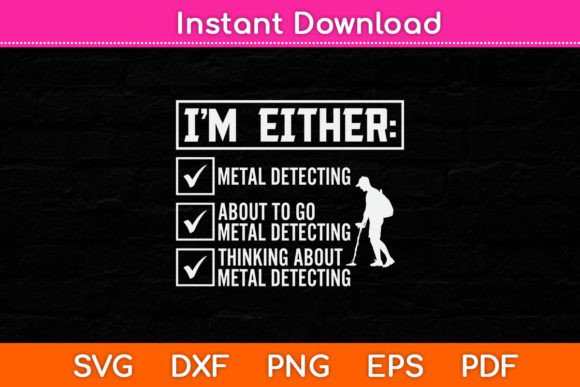
The immediate appeal of Funny Metal Detecting Svg Design lies in its relatability. We all know someone obsessed with finding treasure, whether it’s actual gold or just old bottle caps at the beach. This design captures that whimsical energy perfectly. From a layout perspective, it feels balanced and readable, which is crucial when translating a digital vector into physical thread. The visual personality is casual and fun, making it an ideal candidate for custom apparel, tote bag design, or humorous gifts for hobbyists.
However, "funny" can sometimes translate to "messy" if the details are too intricate. In my initial review, I looked closely at the negative space. Does the design breathe? Yes. The shapes are distinct enough that they won’t bleed into each other during the stitching process. This clarity is what separates a professional-looking embroidery project from one that looks like a tangled mess. For Etsy sellers looking to add personality to their shops without compromising quality, this design strikes a strong balance between charm and technical feasibility.
Real-Life Application: Where Does It Shine?
Let’s talk about real-world scenarios. I imagine this design thriving on a sturdy canvas tote bag design for a beach lover or embroidered onto a fleece-lined sweatshirt for a crisp autumn day out detecting metal. The theme is versatile enough to work across multiple product categories. Here is how I envision it performing in specific contexts:
- Custom Apparel: On a high-quality cotton t-shirt or a heavyweight hoodie, the design stands out. The humor resonates well with adults who enjoy outdoor hobbies. It works particularly well as a chest pocket placement or centered on the back of a sweatshirt.
- Personalized Gifts: This is a goldmine for personalized gifts. Imagine adding a name below the main graphic on a kitchen towel or an apron. The combination of utility and humor makes for a thoughtful present for birthdays, holidays, or even bridal showers for the adventurous bride-to-be.
- Boutique Branding: For small shop product lines focusing on outdoor gear or novelty items, this fits seamlessly. It adds a touch of brand voice that feels authentic rather than corporate. It pairs beautifully with earthy tones and natural fabric textures.
- Holiday Embroidery: While not strictly holiday-themed, the "treasure hunt" aspect makes it a great gift for Christmas or Father’s Day. It appeals to the giver who wants something unique rather than generic.
When creating printable mockups for your listings, remember that lighting plays a huge role. A flat lay on a wooden table with a real metal detector prop in the background will sell this concept far better than a plain white background. The design assets need to be presented in a way that tells a story.
Technical Considerations and Potential Pitfalls
No design is perfect, and understanding where Funny Metal Detecting Svg Design might struggle is just as important as knowing where it shines. As an experienced reviewer, I must highlight areas that require careful planning before you start stitching.
First, consider the hoop size. If you attempt to stitch this on a very small hoop, such as those used for delicate baby accessories, you may lose critical details. The humor often relies on clear shapes and perhaps some text; if these elements become too tiny, the joke is lost. Stick to medium to large hoops for optimal clarity.
Second, fabric texture matters immensely. While this design looks great on smooth cottons and polyesters, textured fabrics like bouclé or heavy denim can obscure fine lines. If you are working with dark fabric, ensure your thread colors provide sufficient contrast. Light threads on dark backgrounds can sometimes get swallowed by the weave, especially if the stitch density is low. Conversely, dark threads on light fabric might look harsh if the design includes subtle shading effects.
Another area of caution is curved surfaces like caps and hats. While possible, stitching complex graphics on the front panel of a cap requires significant skill to avoid puckering. If you are a beginner, test this design on a flat piece of cap material first. Also, be mindful of stretchy fabrics. Without proper stabilizer support, the tension can distort the image, turning a funny design into a frustrating repair job.
Stitch Types and Density
This design likely utilizes a mix of satin stitch for outlines and fill stitch for larger areas. The key is ensuring the stitch density is appropriate for the final product. Too dense, and the fabric becomes stiff and uncomfortable, especially on baby embroidery projects or lightweight shirts. Too sparse, and the underlying fabric shows through, ruining the visual impact. Always check the digitization for any overly dense clusters that might cause needle breaks or thread jams.
Practical Advice for Designers and Sellers
Before you rush to list this design or fulfill a client order, follow these essential steps to ensure professionalism and customer satisfaction.
- Test on Scrap Fabric: Never assume a design will stitch perfectly the first time. Run it on the exact fabric you plan to use. Check for registration issues, color clashes, and stability.
- Review Stitch Density: Zoom in on the digital preview. Are there areas where stitches overlap excessively? Adjusting the density can significantly improve the hand-feel of the finished product.
- Check Licensing: This is critical for commercial embroidery and Etsy seller success. Ensure you have the right license to sell finished goods made from this design. Some files are for personal use only, while others allow commercial sales with restrictions.
- Inspect Small Details: Look for tiny letters or thin lines that might disappear after washing. If the design includes text, verify that it remains legible after the stitching process.
- Use Proper Stabilizer: The choice of stabilizer (cut-away vs. tear-away) depends on the fabric. For stretchy materials, a cut-away stabilizer provides the necessary long-term support to prevent distortion.
Final Verdict
Funny Metal Detecting Svg Design is a solid addition to any crafter’s library, particularly for those targeting the hobbyist and gift-giving markets. Its strength lies in its universal appeal and ease of integration into various handmade products. However, success depends on your execution. By paying attention to fabric choice, stabilizer selection, and stitch quality, you can transform this simple SVG into a premium finished product that customers love.
Whether you are a seasoned pro or just starting your journey in the craft business, this design offers a fun, engaging opportunity to showcase your skills. Just remember to test thoroughly, respect licensing terms, and always prioritize the tactile experience of the wearer. When done right, the result is not just an embroidered patch or shirt—it’s a conversation starter that reflects both your creativity and your technical expertise.